


Why Weather Matters

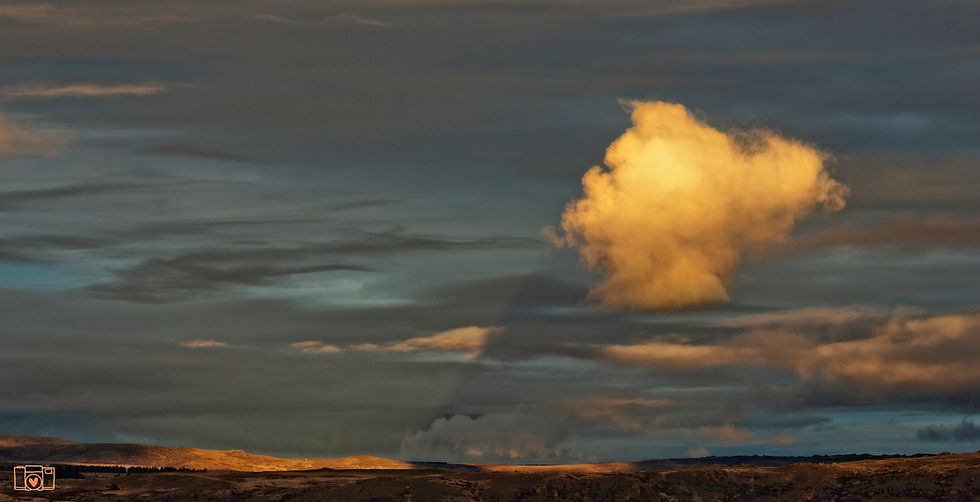
There’s a reason landscape photographers obsess over weather forecasts. Not because we enjoy standing in freezing wind at 5am. Not because we particularly love getting soaked by rain or waiting endlessly in fog.
But because weather changes everything.
The landscape itself may remain the same, yet weather has the power to completely transform the emotional experience of a photograph.
In many ways, weather is the mood of landscape photography.
The Landscape Is the Stage — Weather Is the Emotion
A mountain is just a mountain until weather gives it character. Soft mist can make it feel mysterious. Golden sunlight can make it feel hopeful. Storm clouds can make it feel dramatic and powerful. Rain can make it feel melancholic. Snow can make it feel silent and isolated.
The subject may not change at all — but the emotional response certainly does.
This is one of the reasons landscape photographers return to the same locations repeatedly. We are not necessarily photographing the place itself.
We are photographing the atmosphere surrounding it.
Light Is Emotional Language
Photographers often talk about light technically. Direction. Contrast. Colour temperature. Dynamic range.
But emotionally, light is really storytelling language.
Harsh midday sun creates a very different emotional response to soft diffused fog. Warm sunrise light feels emotionally different from cold blue twilight. The viewer may not consciously analyse these things, but they absolutely feel them.
Soft overcast light often creates quietness and intimacy. Storm light creates tension and drama. Backlit mist can feel ethereal and almost otherworldly.
This is why weather is so deeply connected to emotion in photography — because weather shapes the quality of light itself.
And light shapes mood more than almost anything else.
Why “Bad Weather” Is Often the Best Weather
One of the biggest turning points for many photographers is realizing that clear blue skies are not always ideal.
In fact, they can sometimes be the least emotionally interesting conditions of all.
Perfect sunshine tends to flatten atmosphere. It removes mystery. Everything becomes evenly lit and visually obvious.
But weather introduces unpredictability.
Fog hides parts of the scene and invites curiosity. Rain creates reflections and texture. Storms create tension and movement. Snow simplifies and quietens the landscape. Breaking light after a storm can feel almost theatrical.
These conditions create photographs that feel emotionally alive.
Some of the most memorable landscape images are captured not in comfortable weather, but in conditions that most people would prefer to avoid entirely.
And perhaps that is part of the emotional power too — viewers can sense the atmosphere. They can almost feel the cold air, the approaching rain, the stillness before the storm.
Landscape Photography Is Often About Patience
Weather also teaches photographers patience in a way few other genres do.
You cannot command fog to appear. You cannot order dramatic clouds on demand. You cannot rush beautiful light.
Landscape photographers spend an extraordinary amount of time waiting.
Waiting for clouds to shift. Waiting for rain to clear. Waiting for sunlight to break through for just thirty seconds.
And often, those brief moments are what create the image.
This waiting changes the relationship we have with photography. It forces us to slow down, observe carefully, and become deeply aware of subtle environmental changes.
Over time, you stop merely looking at landscapes.
You start reading them.
Weather Creates Emotional Authenticity
I think viewers connect strongly with weather because weather is something universally felt.
Everyone understands the emotional feeling of an approaching storm. Everyone knows the calmness of soft rain. Everyone recognizes the stillness of fog.
Weather bypasses intellectual analysis and speaks directly to emotion.
That emotional connection is often what separates a technically competent landscape image from one that genuinely resonates.
A photograph does not always need spectacular scenery to be powerful.
Sometimes atmosphere alone can carry the entire image.
Editing and Atmosphere
This is also where editing becomes incredibly important.
A raw file often struggles to fully convey the emotional intensity of the conditions we experienced in person. Cameras tend to neutralize atmosphere rather than emphasize it.
Part of thoughtful editing is restoring that emotional experience.
Perhaps deepening the mood in storm clouds. Softening contrast in mist. Enhancing warmth in sunrise light. Guiding attention toward the emotional centre of the scene.
Again, this is not about deception.
It is about interpretation.
The goal is not always to reproduce scientific reality. The goal is often to recreate emotional truth.
Final Thoughts
The longer I photograph landscapes, the less interested I become in simply recording locations.
What fascinates me now is atmosphere.
Mood.Light. Weather. Emotion.
Because ultimately, people rarely remember a photograph purely because of what it shows.
They remember it because of how it made them feel.
And weather, more than almost anything else in landscape photography, has the power to shape that feeling.


Comments