


The Power of Slowing Down in Photography


Why patience is one of your most important creative tools
In a world that moves quickly, it’s easy to bring that same pace into our photography. We arrive at a location, take a few shots, check the back of the camera, and move on. But some of the most meaningful, compelling photographs aren’t created in a rush.
They’re created when we slow down.
Slowing down in photography isn’t about doing less — it’s about seeing more. And once you begin to embrace that mindset, your images start to reflect a deeper level of intention and connection.
Why We Rush (Without Realising It)
Modern life conditions us to move quickly.
We’re used to instant results, constant stimulation, and always being on to the next thing. It’s no surprise that this mindset can creep into our photography.
We chase:
The next location
The next composition
The next “better” shot
But when we rush, we often miss what’s right in front of us.
The subtle shift in light. The small foreground detail. The moment where everything comes together.
Seeing vs Simply Looking
There’s a difference between looking at a scene and truly seeing it.
When you slow down, you begin to notice:
How the light is changing minute by minute
How shadows move across the landscape
How different compositions reveal themselves as you explore
Instead of reacting to a scene, you start engaging with it.
You move with intention. You observe before you shoot. You become part of the process rather than rushing through it.
The Relationship Between Time and Light
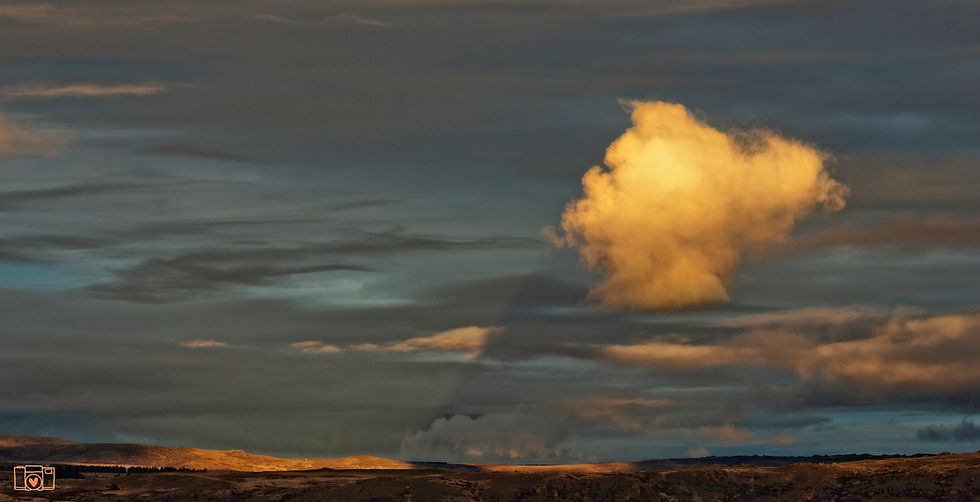
Light is rarely at its best the moment you arrive.
It evolves.
A scene that feels flat and uninspiring at first can transform completely as the light shifts — sometimes subtly, sometimes dramatically.
By slowing down, you give yourself the chance to witness that transformation.
You stop chasing “good light” and start recognising how light behaves.
And that’s when your photography begins to mature.
Fewer Frames, Stronger Images
Taking fewer photographs might sound counterintuitive, especially in a digital world where we can shoot endlessly.
But slowing down often leads to:
More thoughtful compositions
Better timing
Greater attention to detail
Instead of capturing many average images, you begin creating fewer, stronger ones.
Each frame becomes deliberate.
Returning to the Same Place
One of the most powerful ways to slow down is to revisit locations.
The first time you arrive somewhere, everything feels new. Your attention is scattered.
But when you return:
You understand the landscape more deeply
You anticipate how light will fall
You refine your compositions
Familiarity creates depth.
And depth leads to more meaningful photographs.
Patience Builds Confidence
Slowing down isn’t always easy.
It requires patience — especially when conditions aren’t immediately ideal.
But over time, patience builds confidence.
You begin to trust that:
Light will change
Opportunities will come
You don’t need to rush to create something worthwhile
That confidence removes pressure and allows creativity to flow more naturally.
A Simple Practice to Try
On your next shoot, challenge yourself to stay in one location longer than you normally would.
Instead of moving on quickly:
Observe the scene for a few minutes before taking a photo
Explore multiple compositions within the same area
Watch how the light changes
Take fewer, more intentional shots
You might be surprised at how much more you see — and how much stronger your images become.
Final Thoughts
Photography isn’t just about where you go.
It’s about how you experience where you are.
When you slow down, you begin to notice more, feel more, and create more meaningful work.
You stop chasing photographs……and start allowing them to unfold.
And in that space, your photography becomes not just more refined — but more rewarding.
If you’d like to develop this way of seeing in a supportive, real-world environment, my workshops are designed to help you slow down, observe light, and build confidence in your creative process.
Because sometimes, the most powerful step forward…is learning to pause.


Comments